The Complete Guide to Student Accommodation Costs in Germany in 2026

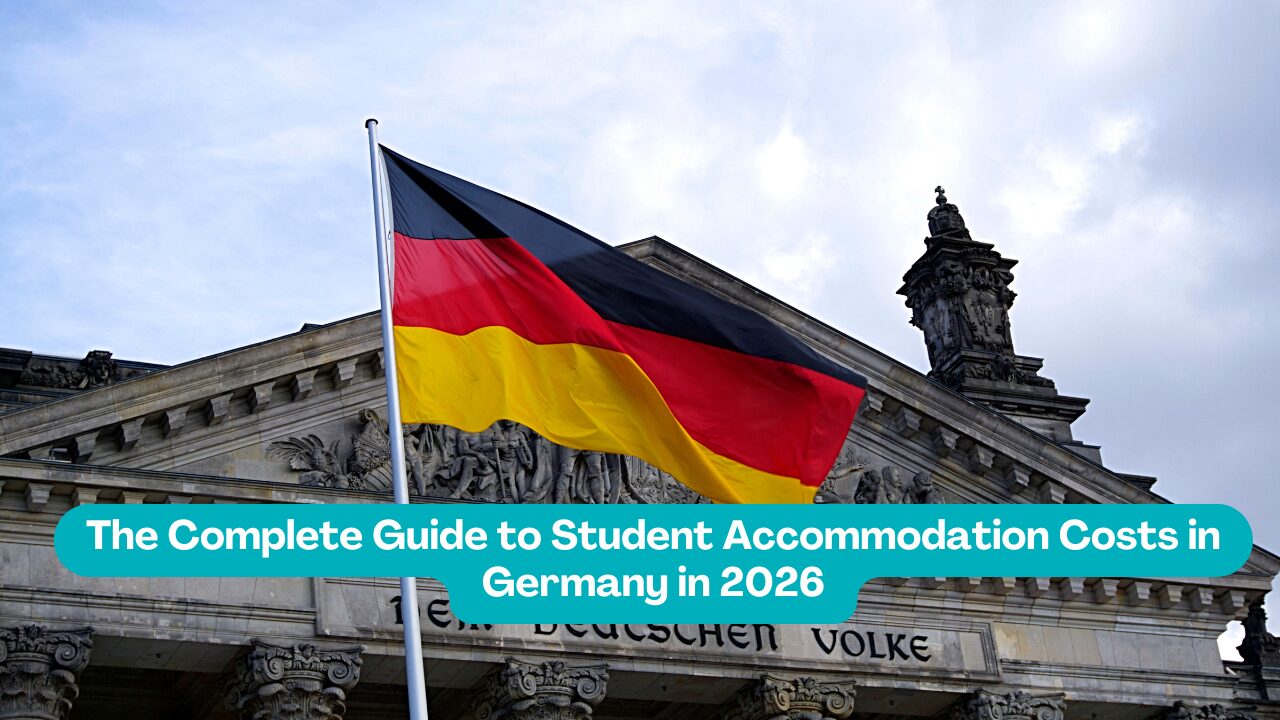
Table of Contents
- Overview of Student Accommodation Costs in Germany
- Types of Student Accommodation and Their Average Prices
- City-Wise Breakdown of Student Housing Costs
- Student Dormitories: The Most Affordable Option
- Shared Apartments (WG): Balancing Cost and Independence
- Private Apartments and Studio Rentals
- Additional Costs Beyond Monthly Rent
- How to Find Affordable Student Accommodation
- Understanding the German Student Housing Crisis
- Tips to Reduce Your Accommodation Expenses
- Blocked Account Requirements and Budget Planning
Quick Answer: How much does student accommodation cost in Germany?
Student accommodation in Germany averages €450–€600 per month, though costs vary widely by city. Munich and Berlin charge more (€550–€900), while smaller cities like Cologne cost less (€300–€500). On-campus dorms are usually the most affordable option.
- Average monthly cost: €450–€600 (varies by city)
- Munich & Berlin more expensive (€550–€900); smaller cities cheaper (€300–€500)
- On-campus dorms typically cheapest; private rentals 20–50% more expensive
On average, students in Germany dedicate about 34% of their monthly budget to accommodation—making it the single largest expense of their academic journey . If you’re an international student or parent planning to study in Germany, understanding the cost of student accommodation in Germany isn’t just helpful—it’s essential. While Germany offers world-class education often with minimal or no tuition fees, accommodation costs can vary dramatically depending on where you live and how you live.
This comprehensive guide will walk you through every detail—from average rental prices and housing types to hidden expenses and proven strategies for saving money—so you can plan your German study abroad adventure with complete confidence and clarity.
Table of Contents
- Overview of Student Accommodation Costs in Germany
- Types of Student Accommodation and Their Average Prices
- City-Wise Breakdown of Student Housing Costs
- Student Dormitories: The Most Affordable Option
- Shared Apartments (WG): Balancing Cost and Independence
- Private Apartments and Studio Rentals
- Additional Costs Beyond Monthly Rent
- How to Find Affordable Student Accommodation
- Understanding the German Student Housing Crisis
- Tips to Reduce Your Accommodation Expenses
- Blocked Account Requirements and Budget Planning
- Frequently Asked Questions About Student Accommodation Costs in Germany
Overview of Student Accommodation Costs in Germany
When planning your study abroad budget, the cost of student accommodation in Germany will likely be your biggest financial consideration. Although public universities in Germany charge little to no tuition, housing expenses typically range from €250 to €800 per month. The exact amount depends on several factors: which city you choose, what type of housing suits your lifestyle, and how much space and privacy you need.
In 2026, most students can expect to pay between €350 and €600 monthly for accommodation. Cities with major universities—like Munich, Frankfurt, and Berlin—tend to have higher rental prices, while smaller university towns offer more affordable options. Student housing shortages remain a persistent challenge in popular destinations, which means early planning isn’t just recommended—it’s crucial.
By understanding these trends now, you’ll be better equipped to make strategic, cost-effective decisions that maximize your return on investment. For personalized guidance on German university admissions and funding opportunities, explore our admission counselling for master’s programs in Germany.
Types of Student Accommodation and Their Average Prices
Before you can budget accurately, you need to understand your housing options. Germany offers three main types of student accommodation, each with distinct price ranges and characteristics.
Student dormitories, known as Studentenwohnheim, are the most affordable choice—at €250 to €400 per month. Shared apartments, called Wohngemeinschaft or WG, typically cost €350 to €550 monthly. Private apartments and studio rentals represent the most expensive option, ranging from €500 to €900 per month or even higher in premium locations.
Here’s a quick comparison:
Student Dormitory: €250–€400 per month
Shared Apartment (WG): €350–€550 per month
Private Apartment: €500–€900 per month
Most international students gravitate toward dormitories or shared apartments because they strike the best balance between affordability and comfort. Families or working professionals who value privacy and independence may prefer private rentals despite the higher cost. Always consider the city, neighborhood location, and included amenities when evaluating the cost of student accommodation in Germany for your specific situation.
City-Wise Breakdown of Student Housing Costs
Where you study in Germany will have a dramatic impact on how much you pay for housing. Major metropolitan areas naturally command higher rents due to increased student demand and limited availability.
In 2026, here’s what you can expect across different German cities:
Munich remains the most expensive city, with monthly rents ranging from €650 to €900. Frankfurt follows closely at €500 to €800. Berlin and Hamburg both fall in the €450 to €750 range. If you’re looking for more budget-friendly options, consider cities like Leipzig or Dresden, where rents typically range from €300 to €450. Smaller university towns often offer the best value, with accommodation costs as low as €250 to €400 per month.
The difference isn’t trivial. Choosing a university in a smaller town rather than Munich could save you €400 or more each month—money that adds up to nearly €5,000 over a year. Smaller towns still offer excellent educational quality, and the lower cost of student accommodation in Germany can significantly ease your financial burden. For comprehensive city-specific information, visit Study in Germany.
Ready to find the perfect university and housing combination for your budget? Get expert guidance on German university admissions and housing planning from our experienced team at Galvanize.
Student Dormitories: The Most Affordable Option
Student dormitories managed by local student services organizations (Studierendenwerk) represent the most economical accommodation in Germany. Monthly rent usually falls between €250 and €400 and typically includes utilities and internet access—eliminating surprise bills.
The advantages are clear. You’ll enjoy all-inclusive, predictable pricing. Most dormitories are located near campuses, saving you time and transportation costs. The social environment naturally fosters networking opportunities with other students, both local and international.
However, dormitories come with limitations. High demand means limited availability, especially in popular university cities. You’ll likely share kitchens and bathrooms with other residents. Privacy is more limited compared to other housing options.
The most important strategy? Apply immediately after receiving your admission letter. Waiting lists can stretch for months, particularly in cities like Munich, Berlin, and Hamburg. Early action dramatically improves your chances of securing affordable dormitory housing.
Shared Apartments (WG): Balancing Cost and Independence
After dormitories, shared apartments—known as Wohngemeinschaft or simply WG—are the most popular form of accommodation in Germany among students. In a WG arrangement, you rent a private bedroom and share common spaces, like the kitchen and bathroom, with flatmates. Monthly costs typically range from €350 to €550, depending on the city and apartment size.
The benefits are substantial. You gain greater independence and flexibility compared to dormitory life. Living with local or international students creates valuable cultural exchange opportunities and can help you improve your German language skills. Utilities may be split among flatmates or included in your rent, depending on the agreement.
Keep a few considerations in mind. Some WGs are unfurnished, which means you’ll need to budget for basic furniture and setup costs. Compatibility with flatmates matters—personality conflicts can make home life stressful. Communication skills become important, especially when discussing household responsibilities and expenses.
Platforms like WG-Gesucht are excellent resources for finding suitable shared apartments. Start your search early and be prepared to attend viewings, as competition can be intense in popular student cities.
Private Apartments and Studio Rentals
If privacy ranks high on your priority list, renting a private apartment or studio might be your preference. This option typically costs between €500 and €900 per month, with premium locations like Munich and Frankfurt commanding even higher prices. Private rentals represent the most expensive form of accommodation in Germany but may be worth it for families, couples, or mature students who value independence.
Important factors to consider include additional costs beyond monthly rent. You’ll typically pay for utilities separately—electricity, heating, and water can add €50 to €150 monthly. Internet and the mandatory TV license (Rundfunkbeitrag) cost approximately €18 per month per household. Expect to pay a security deposit (Kaution) equal to two or three months’ rent, which is refundable when you move out if the property remains undamaged.
Rental contracts may require proof of income or a financial guarantor, especially for international students. Some landlords prefer long-term tenants and may be reluctant to rent to students on temporary study programs. Carefully review all contract terms before signing, and don’t hesitate to ask for clarification on anything unclear.
University housing portals often feature vetted listings, which can provide additional security and peace of mind when searching for private accommodation.
Additional Costs Beyond Monthly Rent
Understanding the complete cost of student accommodation in Germany requires looking beyond the monthly rent figure. Several additional expenses can catch unprepared students off guard.
Utilities (Nebenkosten) typically add €50 to €150 per month, covering electricity, heating, and water. The broadcasting fee (Rundfunkbeitrag) costs €18 monthly per household and is mandatory regardless of whether you own a TV or radio. Your security deposit will usually equal two to three months’ rent—a high upfront cost, though refundable at the end of your tenancy.
If you rent an unfurnished apartment, initial setup costs for basic furniture and household items can range from €200 to €500 or more. This includes essentials like a bed, desk, kitchenware, and linens.
By budgeting for these extras from the beginning, you’ll avoid unpleasant financial surprises and maintain stability throughout your studies. Create a comprehensive budget that accounts for both regular monthly expenses and one-time setup costs.
How to Find Affordable Student Accommodation
Finding affordable accommodation in Germany demands early action and a strategic, multi-channel approach. Competition is fierce, so passive searching rarely succeeds.
Start by applying for student dormitories as soon as you receive your admission letter. Even if dormitories aren’t your first choice, having a backup option provides security. Utilize your university’s housing office—these offices maintain lists of verified rentals and can offer guidance specific to your institution and city.
Explore online platforms dedicated to student housing. WG-Gesucht and Studenten-WG are popular sites where current tenants advertise available rooms. Check physical notice boards at your university—some landlords and students still post housing opportunities the old-fashioned way. Network with senior students or alumni who can provide insider tips and may even know of upcoming vacancies before they’re publicly listed.
Our expert team at Galvanize understands that securing accommodation is just as important as gaining university admission. For tailored support throughout your entire application journey, explore our comprehensive counselling for master’s admissions in Germany—we help you succeed from application to arrival.
Understanding the German Student Housing Crisis
Germany faces a persistent and well-documented student housing shortage, particularly in major cities. This crisis directly impacts the cost of student accommodation in Germany and the availability of affordable options.
High demand, limited public housing construction, and rising urban rents have created a challenging market for students. Waiting lists for dormitories can extend six to twelve months in popular cities. Private sector rents have increased by approximately 15 to 20% since 2022 [2]. Although the government has committed to investing in new student housing, supply continues to lag significantly behind demand.
What does this mean for you? Strategic planning becomes non-negotiable. Early applications are essential—waiting until the last minute almost guarantees limited options and higher costs. Consider universities in smaller cities where housing is more accessible and affordable. Be flexible in your expectations and willing to compromise on location or amenities if necessary.
Understanding the broader housing context helps you approach your search realistically and prepare mentally for a competitive market. Persistence and preparation will be your greatest assets.
Tips to Reduce Your Accommodation Expenses
Even in a challenging housing market, smart strategies can help you minimize the cost of student accommodation in Germany without sacrificing quality of life.
Shared apartments naturally reduce costs by splitting rent and utilities among flatmates. Opting for university towns with lower living costs—rather than major metropolitan areas—can save you hundreds of euros monthly. Apply early for dormitories to secure the most affordable housing option. Take advantage of student discounts and investigate whether you’re eligible for any housing subsidies or assistance programs.
Part-time work can help offset accommodation expenses, though international students should verify work permit restrictions and ensure employment doesn’t interfere with academic performance. Germany allows most international students to work up to 120 full days or 240 half days per year.
Always maintain a backup plan. Housing competition is fierce, and your first choice may not work out. Having alternatives reduces stress and ensures you’re not left without options as your program start date approaches.
For personalized money-saving tips tailored to your specific situation, connect with our admissions experts, who understand both the academic and practical aspects of studying in Germany.
Blocked Account Requirements and Budget Planning
To obtain a German student visa, you must demonstrate sufficient financial resources—typically through a blocked account (Sperrkonto). For 2026, the minimum annual amount is €12,324, which translates to approximately €1,027 per month [3]. This amount should cover rent, food, health insurance, transportation, and other essential expenses.
Accommodation typically consumes 35 to 50% of your monthly blocked account budget. Plan carefully for upfront costs, including security deposits and the first month’s rent, which can temporarily strain your finances. Keep financial reserves for emergencies or unexpected relocations—flexibility requires liquidity.
Understanding these requirements early allows you to prepare financially and avoid visa complications. The blocked account isn’t just a bureaucratic requirement—it’s designed to ensure you can support yourself throughout your studies without financial hardship.
Create a detailed monthly budget that allocates funds appropriately across all expense categories, with accommodation as your primary line item. Conservative estimates are safer than optimistic ones when your visa approval depends on demonstrating financial stability. If an education loan covers your living costs, the education loan EMI calculator shows what you will repay each month.
Frequently Asked Questions
What is the average cost of student accommodation in Germany in 2026?
The average monthly cost of student accommodation in Germany ranges from €350 to €600, depending on the city and housing type you choose. Student dormitories represent the most affordable option, while private apartments and studios are the most expensive.
How do I apply for student dormitories in Germany?
Apply directly through your local Studierendenwerk (student services organization) immediately after receiving your university admission letter. Early application is absolutely crucial because spots are limited and waiting lists can be lengthy.
What is a WG, and why is it popular?
WG stands for Wohngemeinschaft, which means shared apartment. It’s extremely popular among students because it balances affordability, independence, and social interaction—making accommodation in Germany more accessible without sacrificing too much privacy or freedom.
Are utilities included in German student accommodation?
In dormitories, utilities are typically included in your monthly rent. In shared apartments or private rentals, you may pay extra for electricity, heating, water, and internet. Always review your rental contract carefully to understand exactly what’s included and what costs extra.
How much deposit is required for renting in Germany?
Most landlords require a security deposit (Kaution) equal to two or three months’ rent. This deposit is refundable at the end of your tenancy, provided you haven’t damaged the property and meet all contract obligations.
Can I find furnished accommodation in Germany?
Some student dormitories and shared apartments come furnished, particularly rooms in established WGs. However, many private rentals and some WGs are unfurnished. Budget for basic furniture and household setup costs when planning your move, especially if you’re renting an unfurnished space.
What documents do I need to rent student accommodation?
Typically, you’ll need your passport, a copy of your university admission letter, and proof of financial resources (such as a blocked account confirmation). Some landlords may also request a SCHUFA credit report or a financial guarantor, particularly for private rentals.
How can I get help finding accommodation in Germany?
Your university housing office is your first resource. Online platforms like WG-Gesucht also provide extensive listings. For comprehensive support that covers both admissions and housing, expert counselling services like Galvanize’s master’s admission guidance can provide invaluable assistance throughout your entire journey.
Conclusion
Understanding the cost of student accommodation in Germany is absolutely vital for every international student and family planning to pursue German higher education. By thoroughly comparing housing types, researching city-specific costs, and budgeting for both obvious and hidden expenses, you can make informed, strategic decisions that maximize your educational investment. Germany offers exceptional educational quality with minimal or no tuition at public universities—a remarkable opportunity. However, smart planning around accommodation in Germany remains essential for academic and financial success.
The housing market is competitive and challenging, but with early action, realistic expectations, and strategic choices, you’ll find suitable accommodation that fits your budget and lifestyle. Remember that smaller cities often provide the best value without compromising educational quality. Dormitories and shared apartments offer affordability and community, while private rentals provide independence for those willing to pay a premium. Whatever path you choose, start your search early, maintain backup options, and don’t hesitate to seek expert guidance when needed.
For personalized guidance on admissions, scholarships, housing strategies, and comprehensive support throughout your German university journey, trust the dedicated experts at Galvanize. We’re committed to helping you access affordable, world-class education in Germany—regardless of where your journey begins.
Also useful for Germany applicants:
Get expert help with your German university admission and accommodation planning now and turn your study abroad dreams into reality.
Related tools & resources: free Germany study-abroad resources