Indian Students Pivot to EB-5 Route as Work, Study Visas Tighten

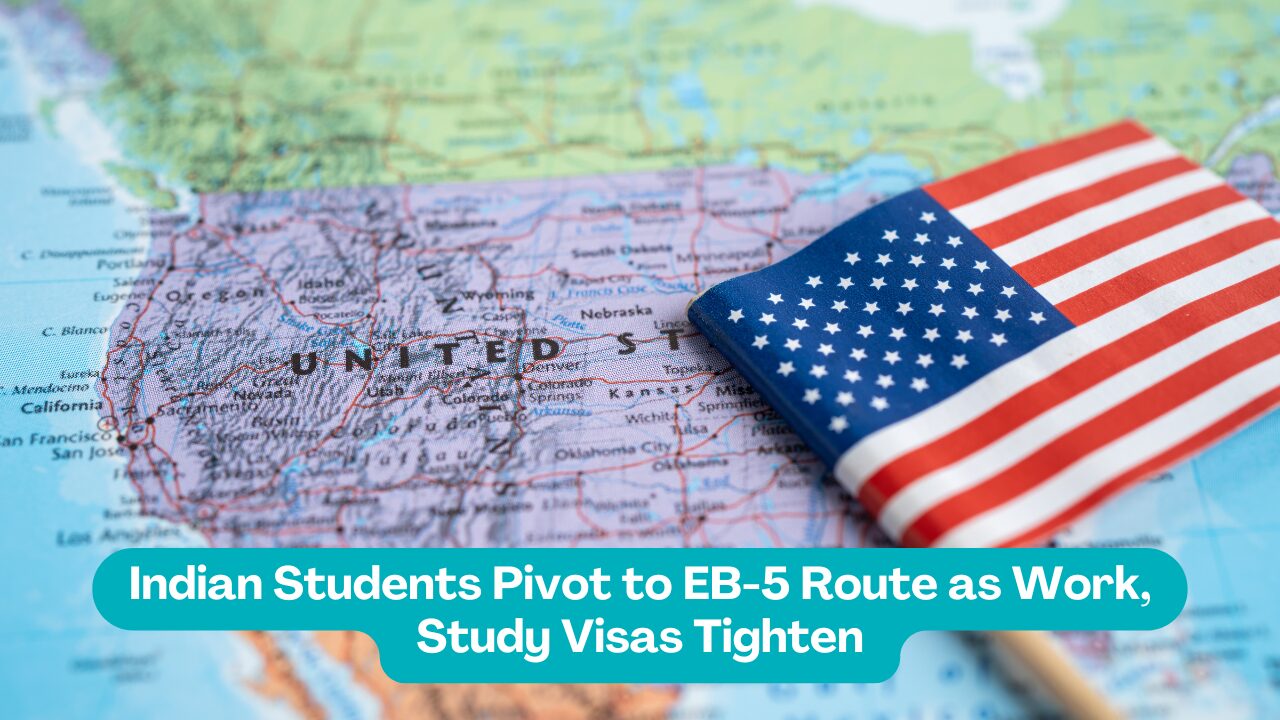
Table of Contents
Investment visas pick up slack as traditional routes narrow
A steep fall in U.S. student (F-1) and work (H-1B) approvals is nudging affluent Indian families toward the EB-5 “immigrant-investor” programme. Since mid-2024, Indians have filed more than 1,200 I-526E petitions, already surpassing any previous full-year total, according to the American Immigrant Investor Alliance. The organisation links the surge to “unprecedented backlogs and denials in other visa categories.”
Policy headwinds driving the shift
- Student visa squeeze: U.S. State Department figures show a 38 percent drop in F-1 visas issued to Indians in the first nine months of 2024, the sharpest year-on-year decline in a decade.
- Tougher H-1B odds: Initial H-1B rejection rates jumped to 24 percent last year, double the share in 2022, as lawmakers push for higher wage thresholds and stricter compliance checks.
- Uncertain stay-back options: Proposed rules limiting student-visa validity and tightening Optional Practical Training have shaken confidence in the study-then-work pathway.
How EB-5 works, and why it appeals
- Capital outlay: Applicants invest a minimum of $800,000 in a government-approved project that creates jobs.
- One application, whole family: Spouse and children under 21 qualify for conditional green cards alongside the main applicant.
- Faster relief for those in limbo: Indians already on F-1 or H-1B status can file for work authorisation while their green-card paperwork is processed, a lifeline for laid-off tech workers.
Immigration lawyer Rohit Kapadia acknowledged that adjudication still averages two years. “But that feels short compared with rolling the dice in the H-1B lottery year after year,” he said.
Interest spreads beyond the metros
While Delhi and Mumbai continue to dominate EB-5 enquiries, regional centres are now fielding leads from tier-2 hubs such as Surat and Coimbatore. They estimate 40 percent of current outreach comes from outside India’s six largest cities, up from 18 percent just two years ago.
Priya Iyer, a 26-year-old software engineer from Coimbatore, illustrates the trend. After two unsuccessful H-1B lottery attempts, she and her parents opted for EB-5. “It’s expensive, but at least the outcome depends on paperwork, not luck,” she said.
Ripple effects on study-abroad patterns
Consultants expect the investor route to chip away at U.S. master’s enrolments, already down 28 percent this academic year. Middle-income students, wary of new hurdles, are increasingly eyeing destinations such as Germany and Australia, where post-study work rules remain comparatively stable.
What applicants should watch
- Possible retrogression: With Indian demand outpacing annual EB-5 caps, wait times could lengthen if the U.S. State Department pulls back the cut-off dates.
- “Gold Card” proposal: A separate US$5 million investor visa, floated by the White House, may reshape the programme later in 2025.
- Project diligence: Reforms to curb fraud make thorough vetting of regional-centre offerings more important than ever.
Outlook
As long as traditional student and skilled-worker visas face political headwinds, the EB-5 programme is likely to stay attractive to well-heeled Indians seeking U.S. residency. For the wider pool of aspirants, however, affordability will ultimately decide whether this investor-visa boom becomes a lasting feature or a temporary detour in global student mobility.
Don’t leave your dream admit to chance. Explore personalized Master’s Admission Counselling with Galvanize – Book a free session now.