What Happens After Graduation In Germany? Understanding The Work Visa Pathway

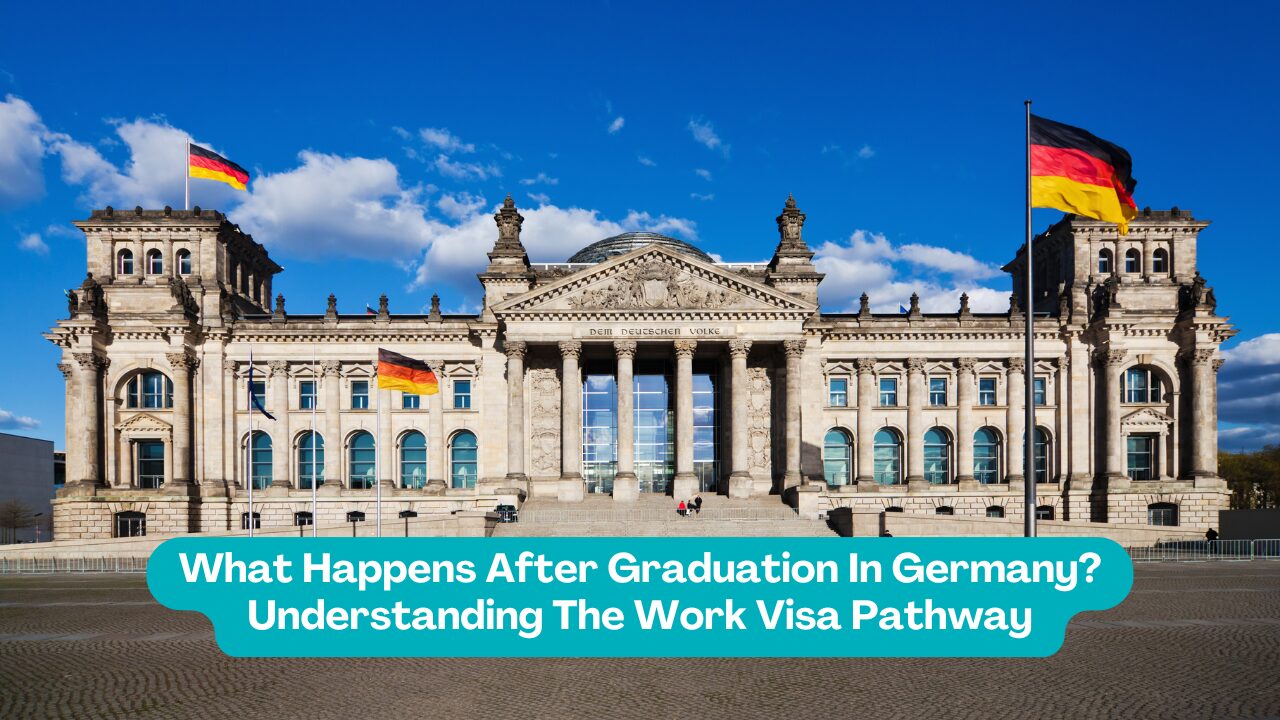
Table of Contents
- How To Apply For Post-Study Work Visa In Germany After Graduation
- Eligibility Requirements For Germany Post-Study Job Seeker Visa
- Duration And Benefits Of 18-Month Job Seeker Visa Germany
- Documents Needed For Post-Study Work Visa Application Germany
- Can I Work Full-Time On Post-Study Job Seeker Visa Germany
- Transition From Post-Study Visa To EU Blue Card In Germany
- Path To Permanent Residency After Post-Study Work Visa Germany
- Job Search Tips During Germany Post-Study Job Seeker Period
- Financial Proof Required For Post-Study Work Visa Germany
- Health Insurance Options For Post-Study Job Seeker Visa Holders
- Common Mistakes Applying For Post-Study Work Visa Germany
- Post-Study Work Visa Germany FAQs
- Conclusion
Planning your future in Germany does not stop at admission – it begins there. Understanding What Happens After Graduation in Germany is essential for anyone aiming to build a long-term international career. According to DAAD, Germany offers international graduates a clear and structured path from education to employment and even permanent residency. This makes it one of the most predictable and career-focused study destinations globally.
Many students focus heavily on getting admission, but the real advantage lies in what follows. From the 18-month job seeker visa to long-term work permits, Germany provides a system that rewards preparation and clarity. In this guide, you will understand What Happens After Graduation in Germany, including visa pathways, job search strategies, and long-term settlement options.
“Germany offers international graduates a transparent, opportunity-rich path from graduation to skilled employment and even permanent residency.” – DAAD
Table Of Contents
- How to apply for post-study work visa in Germany after graduation
- Eligibility requirements for Germany post-study job seeker visa
- Duration and benefits of 18-month job seeker visa Germany
- Documents needed for post-study work visa application Germany
- Can I work full-time on post-study job seeker visa Germany
- Transition from post-study visa to EU Blue Card in Germany
- Path to permanent residency after post-study work visa Germany
- Job search tips during Germany post-study job seeker period
- Financial proof required for post-study work visa Germany
- Health insurance options for post-study job seeker visa holders
- Common mistakes applying for post-study work visa Germany
- Post-Study Work Visa Germany FAQs
How To Apply For Post-Study Work Visa In Germany After Graduation
To understand What Happens After Graduation in Germany, the first step is applying for the post-study work visa. After completing your degree, you can apply for an 18-month residence permit known as the job seeker visa.
Steps include:
- Obtain your final degree certificate or official confirmation
• Prepare required documents
• Book an appointment with the Foreigners’ Office
• Apply before your student visa expires
Applying on time ensures that you maintain continuous legal status in Germany.
For structured support through this process, explore masters admission counseling for public health programs.
Eligibility Requirements For Germany Post-Study Job Seeker Visa
To qualify, applicants must meet specific criteria that define What Happens After Graduation in Germany.
Requirements include:
- Graduation from a recognized German university
• Valid passport and previous residence permit
• Health insurance coverage
• Proof of financial resources
Meeting these conditions allows you to remain in Germany and actively search for employment.
Duration And Benefits Of 18-Month Job Seeker Visa Germany
The job seeker visa is a major advantage in understanding What Happens After Graduation in Germany.
Key features:
- Valid for up to 18 months
• Allows you to stay and search for relevant employment
• Provides flexibility to work during the search period
This period gives graduates enough time to adapt, build connections, and find suitable roles.
Documents Needed For Post-Study Work Visa Application Germany
Documentation plays a critical role in What Happens After Graduation in Germany.
You will typically need:
- Completed visa application form
• Valid passport
• Biometric photographs
• Degree certificate or confirmation
• Health insurance proof
• Financial proof
• Address registration in Germany
• Previous residence permit
Accurate and complete documentation ensures a smoother application process.
Can I Work Full-Time On Post-Study Job Seeker Visa Germany
Yes, graduates can work full-time while holding the job seeker visa. This flexibility is an important part of What Happens After Graduation in Germany.
You can:
- Take up temporary or full-time jobs
• Gain local work experience
• Build professional connections
However, the goal should remain to secure a job that aligns with your academic qualification.
Transition From Post-Study Visa To EU Blue Card In Germany
Once you secure a job that meets salary requirements, you can transition to the EU Blue Card. This is a key stage in What Happens After Graduation in Germany.
As of 2024:
- €45,552 annual salary for most professions
• €41,041 for shortage occupations
The Blue Card provides:
- Faster permanent residency options
• Better career mobility within the EU
• Family reunification benefits
Path To Permanent Residency After Post-Study Work Visa Germany
Germany offers a structured route to permanent residency, making What Happens After Graduation in Germany highly attractive.
Pathways include:
- 21 months with Blue Card and B1 German
• 33 months with Blue Card and A1 German
• 5 years with a standard work permit
Time spent on the job seeker visa does not count toward permanent residency, but employment duration does.
Job Search Tips During Germany Post-Study Job Seeker Period
Maximizing your time is essential when considering What Happens After Graduation in Germany.
Effective strategies:
- Start applying before graduation
• Use university career services
• Attend job fairs and networking events
• Customize your CV to German standards
• Build an online professional presence
Learning basic German also increases your chances of finding suitable roles.
For guidance on job search strategies, explore masters admission counseling for public health programs.
Financial Proof Required For Post-Study Work Visa Germany
Financial stability is required as part of What Happens After Graduation in Germany.
For 2024, applicants must show approximately €934 per month, totaling around €16,812 for 18 months.
Accepted proof includes:
- Blocked account
• Sponsorship documents
• Proof of employment
Proper planning ensures you meet this requirement without delays.
Health Insurance Options For Post-Study Job Seeker Visa Holders
Health insurance remains mandatory throughout your stay. This is an essential aspect of What Happens After Graduation in Germany.
Options include:
- Public health insurance
• Private health insurance
• Job seeker-specific policies
Continuous coverage is required to maintain legal status.
Common Mistakes Applying For Post-Study Work Visa Germany
Mistakes can delay or disrupt the process. Understanding these helps clarify What Happens After Graduation in Germany.
Common errors:
- Applying after visa expiry
• Missing documents
• Insufficient financial proof
• Lack of health insurance
• Not registering address
Careful preparation helps avoid these issues.
Post-Study Work Visa Germany FAQs
- Can I stay after graduation without a job?
Yes, with the job seeker visa. - What if I find a job early?
You can switch to a work permit or Blue Card immediately. - Is German language required?
Not mandatory, but highly beneficial. - Can I work during the job seeker period?
Yes, in any field. - Does this period count toward PR?
No, only employment period counts. - What if I do not find a job?
You must leave Germany after 18 months. - Can family join during this period?
Usually not until you secure employment. - Where can I get help?
Explore masters admission counseling for public health programs.
Conclusion
Understanding What Happens After Graduation in Germany allows you to plan your future with clarity and confidence. Germany offers a structured transition from education to employment, making it one of the most practical destinations for international students.
By preparing early, meeting requirements, and using your job seeker period effectively, you can secure long-term career opportunities. Every step, from visa application to job search, plays a role in your success.
If you are planning your next move, explore masters admission counseling for public health programs to build a clear and structured roadmap for your journey after graduation in Germany.