
Study in South Korea
We'll help you turn your dream of studying in South Korea into reality
- Get guidance built around your dream programs
- We've got you covered from test prep all the way to visa approval
- Boost your acceptance odds with strategies that actually work
Top universities in South Korea

Quick Facts About South Korea



Why Study in South Korea?
Government Scholarships That Pay Tuition and Living Costs
The Global Korea Scholarship (GKS), run by the Korean government, covers tuition, round-trip airfare, a monthly living allowance and up to a year of Korean-language training. It plans to invite about 2,000 international graduate students in 2026.
Research Universities That Teach in English
Some of Korea's leading research universities teach graduate programmes in English. KAIST, for example, asks master's and PhD applicants for TOEFL iBT 83 or IELTS 6.5 rather than Korean.

A Visa to Look for Work After You Graduate
Graduates of a Korean university with a bachelor's degree or higher can apply to switch to the D-10 job-seeker visa and look for full-time work in Korea.
Why Students Trust Galvanize for Their South Korea Applications
We don't just send applications—we build your path to success

Personalised University Shortlisting
We match you with universities that fit your profile, goals, and budget. No cookie-cutter lists—just smart, data-backed recommendations based on your profile.
Expert SOP, LOR & Essay Support
Tell your story in a way that admissions teams can't ignore. Our experienced mentors help you showcase your achievements authentically and powerfully.
Scholarship & Funding Guidance
We'll help you discover scholarships, assistantships, and funding opportunities you qualify for, so you can make studying abroad more affordable.
End-to-End Admissions Support
From your first university list to hitting submit, we're with you every step of the way. Organized, straightforward, and completely stress-free.
Personalised South Korea Admissions Support
Get expert guidance through every step of your university application abroad, from building your profile to acing interviews.
We help you:- Choose the right universities
- Craft compelling essays
- Submit strong applications
- Stay on track with deadlines
- Prepare for interviews
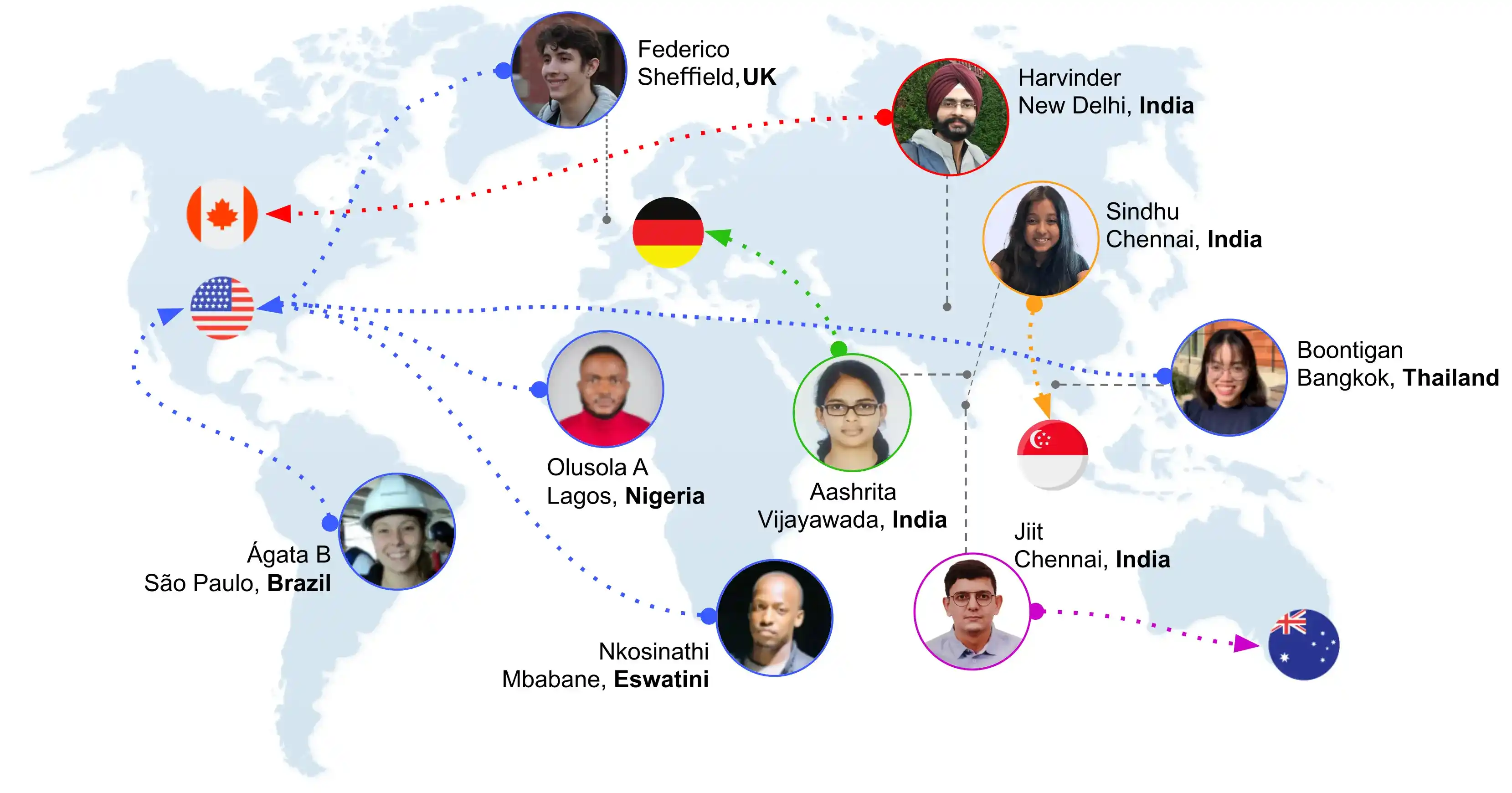
Recent Galvanize admits worldwide

Sindhu
India

Singapore
BS in Electrical Engineering & Design

Surbhi
India
UK
MS in Public Health


Pavan
India
USA
MS in Mechanical Engineering


Neeti
India
France
International MBA


Hridibrata
India
USA
PhD in Electrical Engineering & Computer Science

Worldwide trust. Proven results. The Galvanize Effect.
Students from 60+ countries chose Galvanize.



Hear From Students Who Made It Happen
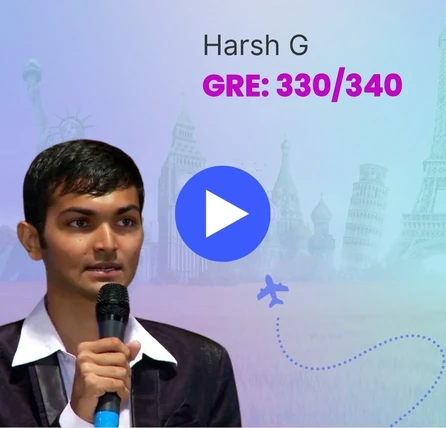
GRE prep material and guidance are top-notch! Study journey was smooth and structured.
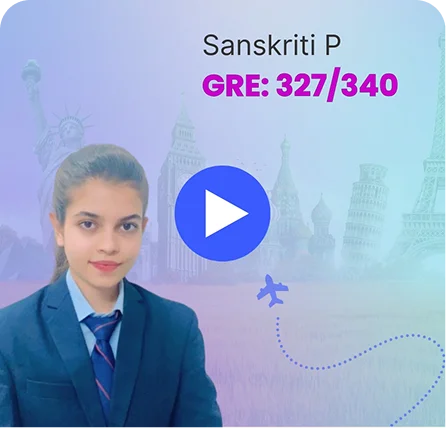
Galvanize simplified my entire GRE preparation with clear guidance and practical strategies.
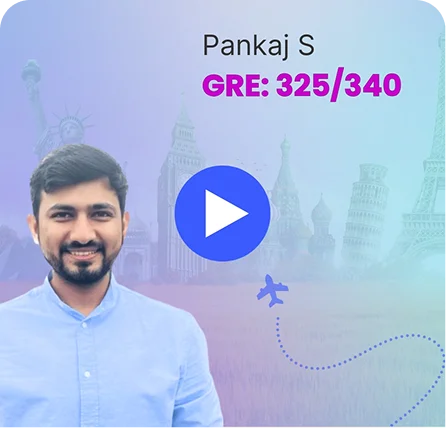
Galvanize's clear plan and realistic mocks boosted my confidence and helped me hit my GRE target.
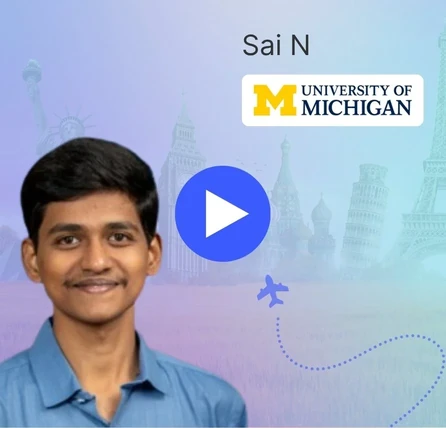
Adept communication demystified every admission hurdle while easing every concern!

Frequently Asked Questions
We help with university shortlisting, SOP and LOR guidance, IELTS or TOEFL preparation, scholarship applications and your student visa.
Average bachelor’s tuition is about KRW 6.8 million a year: about KRW 4.3 million at national and public universities and about KRW 7.6 million at private ones. The Korean government estimates living costs at about KRW 750,000 to 1,000,000 a month, most of it housing.
The Global Korea Scholarship is the Korean government’s scholarship for international students, run by NIIED. For graduate degrees it covers tuition, round-trip airfare, a monthly allowance and Korean-language training. Graduate applicants must be under 40 with an average of at least 80% in their last degree. Indian applicants for the 2026 round applied online through Study in Korea by 25 February 2026.
Not for an English-taught programme: those ask for IELTS or TOEFL instead, such as TOEFL iBT 83 or IELTS 6.5 at KAIST. Programmes taught in Korean set their own TOPIK level, so check each university you apply to.
Korean universities start their semesters in March (spring) and September (fall). Each university sets its own application deadlines, so check the admissions page of every university on your list.
Degree students need the D-2 student visa. You apply for it after your university issues your admission letter.
Yes, but you need a part-time work permit from Korean immigration before you start. How many hours a week you may work depends on your degree level and your Korean-language (TOPIK) level.
Yes. Graduates of a Korean university with a bachelor’s degree or higher can apply to switch to the D-10 job-seeker visa to look for full-time work.