Masters in Chemical Engineering in Germany: 2026 Complete Guide to Programs, Costs, Admissions, Jobs

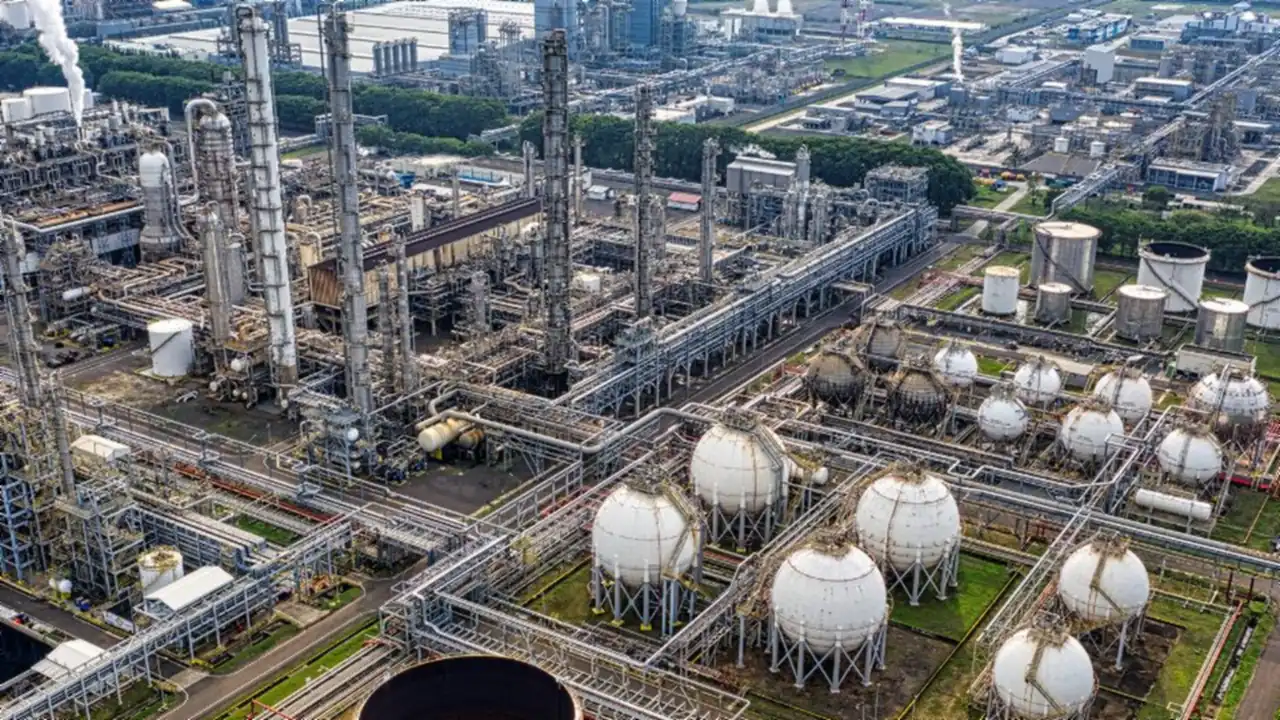
Table of Contents
- Why Germany for Chemical Engineering in 2025: Quality, Tuition, and Industry Links
- Types of ChemE Master’s Degrees (MSc vs MEng) and Study Duration
- Top Universities and Flagship Programs
- Core Curriculum and Specializations
- Admissions Eligibility and Required Documents
- English-taught vs German-taught Programs and Language Proficiency
- Application Timelines, VPD, and Enrollment Steps
- Costs: Tuition, Semester Fees, Living Expenses, and Blocked Account
- Scholarships and Funding Options
- Internships, Labs, and Industry Interfaces
- Graduate Outcomes: Roles, Sectors, and Entry-level Expectations
- FAQs
- Conclusion
According to DAAD, Germany remains one of the most attractive destinations for STEM students worldwide due to its high academic standards, low tuition fees, and strong industry connections. For many international applicants, a Masters in Chemical Engineering in Germany offers a rare blend of affordability, world-class research, and direct access to Europe’s largest chemical and process engineering ecosystem. As Ram Srinivasan, CEO at Galvanize and an admissions advisor with over a decade of experience, I have seen how the right information empowers students to plan strategically and make confident, high-ROI decisions for their future. This guide simplifies everything you need to know about programs, requirements, timelines, and career prospects, helping you approach your German master’s journey with clarity and purpose.
Table of Contents
- Why Germany for Chemical Engineering in 2025: Quality, Tuition, and Industry Links
- Types of ChemE Master’s Degrees (MSc vs MEng) and Study Duration
- Top Universities and Flagship Programs
- Core Curriculum and Specializations
- Admissions Eligibility and Required Documents
- English-taught vs German-taught Programs and Language Proficiency
- Application Timelines, VPD, and Enrollment Steps
- Costs: Tuition, Semester Fees, Living Expenses, and Blocked Account
- Scholarships and Funding Options
- Internships, Labs, and Industry Interfaces
- Graduate Outcomes: Roles, Sectors, and Entry-level Expectations
- FAQs
- References
- Conclusion and Call to Action
Why Germany for Chemical Engineering in 2025: Quality, Tuition, and Industry Links
Germany’s leadership in chemical and process engineering is supported by global industry giants such as BASF, Bayer, and Evonik. These companies collaborate closely with universities, giving students a direct path to research labs, internships, and advanced engineering roles. A masters in Germany offers key advantages such as low or no tuition fees at public universities, a wide range of English-taught programs, and generous post-study work rights through the 18-month job search visa. Combined with clear residency pathways and strong demand for chemical engineers, a Masters in Chemical Engineering in Germany delivers exceptional value for students from India, Southeast Asia, Africa, and the Middle East.
Types of ChemE Master’s Degrees (MSc vs MEng) and Study Duration
Students pursuing a Masters in Chemical Engineering in Germany can choose between two types of degrees. The MSc emphasizes theory, advanced concepts, and research, making it ideal for those aiming for a PhD or scientific career. The MEng is more application-driven, with stronger ties to industry practice, internships, and process optimization roles.
The standard study duration for both formats is two years, or four semesters. A few universities offer accelerated tracks of one and a half years for applicants with strong academic foundations or relevant industry experience. Both degrees are internationally recognized and support entry into engineering, research, or academic pathways.
Top Universities and Flagship Programs
German universities have long been recognized for excellence in engineering education. Students pursuing a masters in Germany often shortlist institutions known for research productivity, laboratory infrastructure, and industry partnerships. Top universities for Chemical Engineering in 2025 include:
| University | Location | Program Name |
| RWTH Aachen | Aachen | MSc Chemical Engineering |
| Technical University of Munich | Munich | MSc Chemical Engineering |
| Karlsruhe Institute of Technology | Karlsruhe | MSc Chemical Engineering and Process Technology |
| TU Berlin | Berlin | MSc Chemical Engineering |
| University of Stuttgart | Stuttgart | MSc Process Engineering |
| Ulm University | Ulm | MSc Chemical Engineering |
Admission is competitive, and applicants benefit from strong academics, relevant project experience, and a clear motivation statement. For a personalized shortlist aligned with your background, explore our masters in Germany admission guidance designed for engineering aspirants.
Core Curriculum and Specializations
A typical masters in Germany in Chemical Engineering blends foundational chemical engineering subjects with advanced electives. Students begin with core modules such as thermodynamics, reaction engineering, transport phenomena, process control, and plant design. These topics build the groundwork for more specialized focus areas.
Specialization tracks may include energy and environmental engineering, bioprocess and biotechnology, materials and polymer science, or process systems engineering. Many programs allow students to customize their curriculum through electives, lab rotations, and industry-aligned projects. Practical training in these areas strengthens employability and equips graduates to work in diverse engineering sectors.
Mid-blog CTA: If you want support building a competitive, targeted application for masters in Germany, connect with our admissions team for personalized guidance and expert document preparation.
Admissions Eligibility and Required Documents
Entry into a Masters in Chemical Engineering in Germany generally requires a bachelor’s degree in chemical engineering or a closely aligned discipline. Most universities expect a minimum GPA equivalent to 2.5 on the German scale, although top institutions may require stronger academic performance. Some programs accept candidates from mechanical or biotechnology backgrounds if they have completed sufficient core engineering coursework.
Applicants must submit transcripts, degree certificates, a CV, a motivation letter, and letters of recommendation. Many universities require proof of English proficiency through IELTS or TOEFL scores, while some accept medium-of-instruction certificates. A GRE score is rarely mandatory but may enhance competitiveness. Non-EU applicants often need a VPD from uni-assist or an APS certificate, so early preparation is essential.
English-taught vs German-taught Programs and Language Proficiency
A major advantage of pursuing a masters in Germany in Chemical Engineering is the availability of English-taught programs at leading universities. These programs do not require prior knowledge of German for admission. However, basic German skills remain useful for internships, part-time jobs, and daily life.
German-taught programs are also available and typically require B1 or B2 proficiency demonstrated through DSH or TestDaF scores. Even when enrolled in English-medium programs, many students choose to study German during their course to strengthen professional prospects and expand career opportunities within local industries.
Application Timelines, VPD, and Enrollment Steps
Application cycles for a Masters in Chemical Engineering in Germany differ by university. Most winter intake programs open between November and March, and summer intake options, though fewer, accept applications from September to January. Candidates should verify deadlines directly through university portals or uni-assist.
The application process involves shortlisting programs, preparing documents, submitting applications, and obtaining a VPD if required. Once admitted, students must complete visa formalities, open a blocked account, secure accommodation, and finalize enrollment procedures after arrival in Germany. Early planning avoids bottlenecks and increases the likelihood of securing seats in competitive programs.
Costs: Tuition, Semester Fees, Living Expenses, and Blocked Account
A major draw of a Masters in Chemical Engineering in Germany is the affordability of public education. Most public universities charge no tuition fees for international students. Exceptions exist in Baden-Württemberg, where a tuition fee of about 1,500 euros per semester applies to non-EU applicants. All universities charge semester contributions between 250 and 350 euros, which cover transport and administrative services.
Living expenses vary by city. Students should budget between 900 and 1,200 euros monthly, depending on housing and lifestyle needs. Germany requires proof of financial resources through a blocked account, currently set at approximately 11,208 euros per year [2]. When compared to countries like the US or UK, a masters in Germany offers exceptional value for high-quality education.
Scholarships and Funding Options
Scholarships can significantly reduce the financial burden of studying abroad. For a Masters in Chemical Engineering in Germany, students can explore DAAD scholarships, which are prestigious and highly competitive. The Deutschlandstipendium offers 300 euros per month to high-performing students and operates through a combination of public and private funding. Some universities provide internal merit-based awards or partial fee waivers.
External funding opportunities may also be available through government bodies or private foundations in the student’s home country. Since many scholarships have early deadlines, applicants should begin exploring funding options well before submitting university applications.
Internships, Labs, and Industry Interfaces
A masters in Germany emphasizes practical exposure, making internships and laboratory work key components of Chemical Engineering programs. Students often complete a three- to six-month internship, known as the Praxissemester, which offers hands-on experience in sectors such as chemical production, energy systems, bioprocess engineering, or materials development.
Research labs at German universities frequently collaborate with industry partners, enabling students to participate in real-world projects. Many choose to complete their master’s thesis with companies such as BASF, Siemens, or innovative startups in the sustainability and biotech sectors. These experiences enhance employability and provide a competitive edge in the European job market.
Graduate Outcomes: Roles, Sectors, and Entry-level Expectations
Graduates of a Masters in Chemical Engineering in Germany enter a job market characterized by high demand for technical talent. Germany’s engineering sector continues to grow, and the country actively recruits skilled professionals. Graduates commonly work in chemicals, pharmaceuticals, food processing, energy, consulting, or environmental services.
Typical roles include process engineer, production engineer, R&D scientist, quality specialist, or sustainability consultant. Entry-level salaries range from 45,000 to 60,000 euros per year, depending on experience, location, and German language proficiency [3]. With an 18-month post-study work visa and clear pathways to permanent residency, Germany offers long-term stability for Chemical Engineering graduates.
FAQs
- Is a Masters in Chemical Engineering in Germany recognized worldwideYes. German engineering degrees are internationally respected, and graduates pursue careers across Europe, the US, the Middle East, and Asia.
- Do I need to know German for an English-taught programGerman is not required for academic coursework in English-taught programs, but learning it improves employability and daily communication.
- Can I work part-time during my studiesYes. International students can work up to 120 full days or 240 half days per year.
- What is the ROI of a masters in Germany compared to other countriesHigh ROI due to low tuition, affordable living, strong job opportunities, and competitive salaries.
- How competitive is admission to top Chemical Engineering programsHighly competitive. Strong academics, relevant project work, and a compelling motivation letter improve admission chances.
- What documents are required for the visa processA valid admission letter, blocked account proof, insurance, passport, and visa application documents.
- Are there opportunities for a PhD after graduationYes. Many students progress to doctoral programs in Germany or internationally.
- Can my spouse or family accompany me during my studiesYes, but you must show sufficient funds and housing for family reunification.
Conclusion
A Masters in Chemical Engineering in Germany offers a powerful combination of academic excellence, affordability, and strong career outcomes. With access to leading universities, industry-integrated learning, and clear pathways into high-growth engineering roles, students can build a compelling foundation for global careers. When planned strategically, this degree becomes more than an academic milestone; it becomes a gateway to long-term opportunities across Europe and beyond. As you prepare your applications, remember that clarity, documentation quality, and timely submissions make a measurable difference. If you want personalized support in selecting programs, preparing documents, or optimizing your admissions strategy for masters in Germany, connect with our expert team and take confident steps toward your future.
Also useful for Germany applicants: